
Where We Work
Markets
Tenant Advisors represents office tenants in five Chicago-area markets: the Northwest Suburbs, O’Hare, the East-West Corridor, the North Suburbs, and the Chicago CBD. Together they hold most of the metro’s office inventory — and they behave very differently for tenants.
Cost and leverage separate them first. Downtown Class A space runs $65–$95 per square foot, while comparable suburban Class A runs $24–$44 — roughly a third to half the cost. Leverage is strongest where vacancy is deepest: the Northwest Suburbs (23% vacancy) and the O’Hare corridor (20%) give tenants the most room to negotiate rate, free rent, and build-out dollars, while the East-West Corridor (15%) is the tightest of the five and rewards tenants who start early and negotiate from real market data.
Access and workforce separate them next. The CBD is transit-first: employees arrive on Metra and the CTA, and parking is a paid monthly line item. Every suburban market is drive-first with free parking the norm — with two useful exceptions: O’Hare is the only suburban market on CTA rail (the Blue Line), and Evanston and Skokie touch the Purple and Yellow lines. Housing follows the same split: the CBD draws from dense city rental stock, the North Suburbs and East-West Corridor sit closest to executive housing, and the Northwest Suburbs offer the deepest single-family workforce base in the metro.
The practical read: choose the CBD to recruit from the largest talent pool in the Midwest, O’Hare for airport access and the deepest concession packages we track anywhere in Chicagoland, the Northwest Suburbs for maximum leverage and the most building for the dollar, the East-West Corridor for a headquarters address in DuPage County, and the North Suburbs to be near North Shore decision-makers. In all five, we sit on one side of the table — the tenant’s.
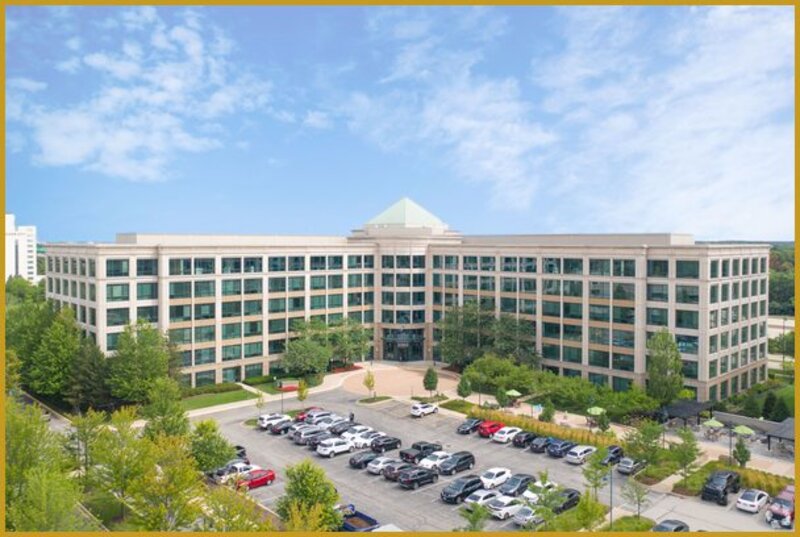
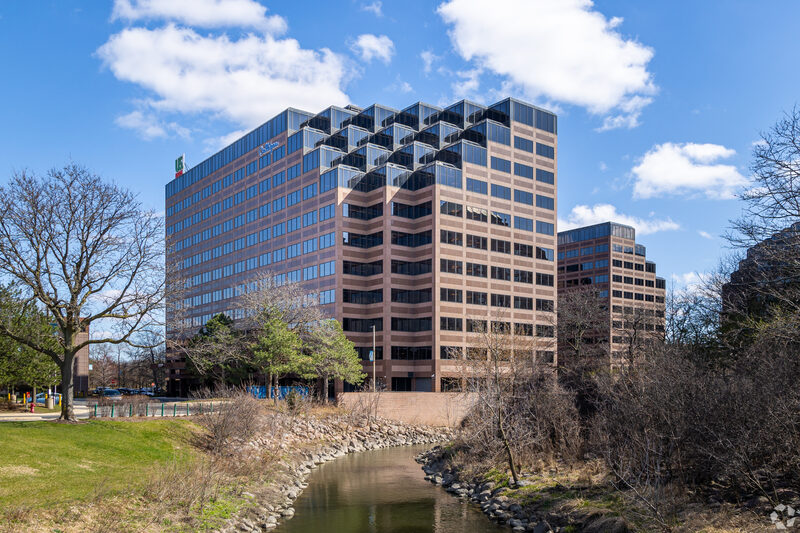
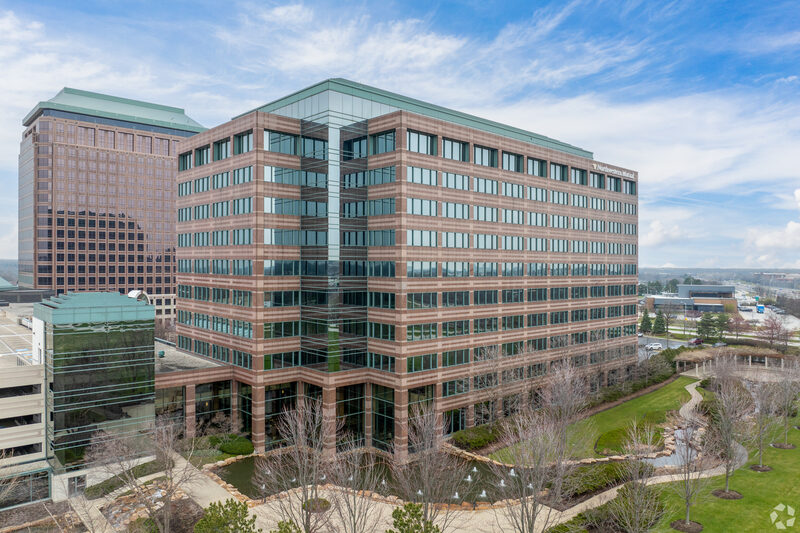
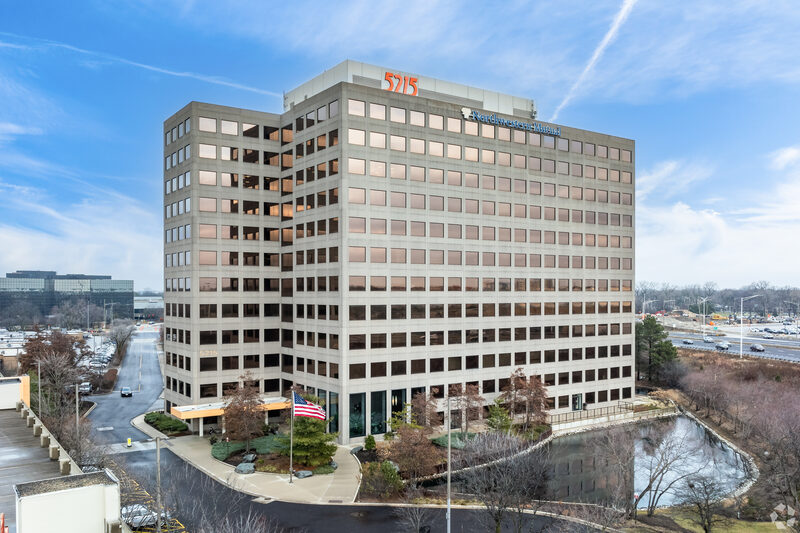

Chicago Metro Submarkets
Five markets. One side of the table.
Five Chicago-area office markets. One side of the table. Hover a market on the map or in the list for a closer look, and click through for the full market breakdown.
Northwest Suburbs
O’Hare
East-West Corridor
North Suburbs
Chicago CBD
At a Glance
Chicago Office Markets Side by Side
| Northwest Suburbs | O’Hare | East-West Corridor | North Suburbs | Chicago CBD | |
|---|---|---|---|---|---|
| Vacancy | 23% | 20% | 15% | 16% | 21.4% |
| Class A / SF | $34–$38 Cook; $24–$28 Itasca | $38–$43 | $39 | $36–$44 | $65–$95 |
| Class B / SF | $19–$24 | $25–$29 | $26 | $24–$32 | $32–$45 |
| Tenant Leverage | High | Strong | Moderate | Strong | Moderate |
| Parking | Free, 4+/1,000 SF | Free surface; paid decks in Rosemont | Free, ample | Free, ample | Paid garages |
| Primary Access | I-90, IL-53 · Metra UP-NW | I-90, I-294 · CTA Blue Line | I-88, I-355 · Metra BNSF | I-94 Edens · Metra UP-N/MD-N | Metra + full CTA rail |
| Typical Tenant | Insurance, engineering, regional offices | Sales offices, logistics, national firms | Headquarters, finance, healthcare | Professional services, healthcare, research | Law, finance, consulting, tech |
Figures reflect gross full-service asking rents and vacancy in the transactions Tenant Advisors tracks and negotiates, and are updated as the market moves. Updated October 2026 with Q3 2026 Tenant Advisors Market Data.
Market Profiles
The Five Markets in Depth
Northwest Suburbs
23% vacancy · Class A $34–$38/SF Cook, $24–$28 Itasca · Class B $19–$24/SF · High leverage
- Where It Is
- 25–35 miles northwest of the Loop along I-90 and IL-53, anchored by the Woodfield area of Schaumburg.
- Cities
- Schaumburg, Arlington Heights, Rolling Meadows, Hoffman Estates, Palatine, Itasca, Barrington, Elgin
- Who It Attracts
- Companies whose workforce lives in the northwest suburbs, and value-driven tenants who want the most building for the dollar.
- Typical Tenant
- Insurance, engineering, healthcare administration, and corporate regional offices in the 3,000–50,000 SF range.
- Parking
- Free surface and structured parking at nearly every building, typically 4+ spaces per 1,000 SF.
- Housing Stock
- Deep single-family stock in Schaumburg, Palatine, and Arlington Heights; executive housing in Barrington and Inverness.
- Transportation
- I-90, IL-53, and IL-390; Metra UP-Northwest stations in Arlington Heights, Palatine, and Barrington. Predominantly a drive-to market.
O’Hare
20% vacancy · Class A $38–$43/SF · Class B $25–$29/SF · Strong leverage
- Where It Is
- The airport corridor about 15 miles northwest of the Loop, centered on the I-90/I-294 interchange at O’Hare.
- Cities
- Rosemont, Des Plaines, Park Ridge, and the O’Hare corridor of Chicago
- Who It Attracts
- Companies that fly — multi-market firms, client-facing sales teams, and businesses tied to O’Hare and the Rosemont convention corridor.
- Typical Tenant
- Regional sales offices, logistics and transportation firms, and national companies consolidating Chicago operations near the airport.
- Parking
- Structured decks in Rosemont, often paid or reserved; free surface parking in Des Plaines.
- Housing Stock
- Established neighborhoods in Park Ridge and Des Plaines; the corridor draws employees from the city and the suburbs alike.
- Transportation
- The only suburban market on CTA rail — Blue Line at Rosemont and O’Hare — plus I-90, I-294, I-190, and Metra North Central Service.
East-West Corridor
15% vacancy · Class A $39/SF · Class B $26/SF · Moderate leverage
- Where It Is
- DuPage County along I-88, 15–30 miles west of the Loop, from Oak Brook out through Naperville. Chicagoland’s largest suburban office market.
- Cities
- Oak Brook, Oakbrook Terrace, Downers Grove, Lisle, Naperville
- Who It Attracts
- Corporate headquarters and established professional firms; the corridor’s tighter conditions reflect sustained demand.
- Typical Tenant
- Headquarters and regional offices in finance, insurance, healthcare, and engineering.
- Parking
- Free and ample across the corridor.
- Housing Stock
- Executive housing in Hinsdale and Naperville with a deep DuPage County workforce base.
- Transportation
- I-88, I-294, and I-355; Metra BNSF stations in Downers Grove, Lisle, and Naperville.
North Suburbs
16% vacancy · Class A $36–$44/SF · Class B $24–$32/SF · Strong leverage
- Where It Is
- The I-94 Edens corridor, from Skokie and Evanston north through Northbrook, Deerfield, and Lake Forest.
- Cities
- Skokie, Evanston, Glenview, Northbrook, Deerfield, Lake Forest
- Who It Attracts
- Firms whose principals and clients live on the North Shore, plus healthcare and research users.
- Typical Tenant
- Professional and financial services, healthcare systems, and research-driven companies.
- Parking
- Free at nearly every building.
- Housing Stock
- North Shore executive housing in Winnetka, Glencoe, and Lake Forest alongside dense rental stock in Evanston.
- Transportation
- I-94/Edens and I-294; Metra UP-North and Milwaukee District-North; CTA Purple and Yellow lines at Evanston and Skokie.
Chicago CBD
21.4% vacancy · Class A $65–$95/SF · Class B $32–$45/SF · Moderate leverage
- Where It Is
- Downtown Chicago — the largest, deepest office market in the Midwest.
- Districts
- Central Loop, East Loop, West Loop, Fulton Market, River North
- Who It Attracts
- Firms recruiting from the largest talent pool in the Midwest, where a downtown address is part of the pitch.
- Typical Tenant
- Law, finance, consulting, tech, and professional associations.
- Parking
- Paid garages at a meaningful monthly cost — this is a transit-first market.
- Housing Stock
- Dense downtown and North Side rental stock; most employees commute by rail.
- Transportation
- Every Metra line into Union, Ogilvie, LaSalle, and Millennium stations, plus the full CTA rail system.
Common Questions
Chicago Office Market FAQs
Which Chicago office market has the highest vacancy?
The Northwest Suburbs, at roughly 23% vacancy. Deep vacancy is what creates tenant leverage — landlords in this market compete hardest on rate, free rent, and build-out dollars.
How much cheaper is suburban office space than downtown Chicago?
Suburban Class A space runs roughly $24–$44 per square foot versus $65–$95 in the Chicago CBD — about a third to half the cost for comparable quality, with free parking the norm in most suburban markets.
Which Chicago-area office market gives tenants the most negotiating leverage?
The Northwest Suburbs offer the highest leverage, followed by O’Hare, where we track the deepest concession packages in Chicagoland. The East-West Corridor is the tightest of the five and rewards tenants who start early and negotiate from real market data.
Which suburban Chicago office market is on CTA rail?
O’Hare is the only suburban market on CTA rail, served by the Blue Line. In the North Suburbs, Evanston and Skokie also touch the Purple and Yellow lines. Every other suburban market is drive-first with free parking.
What does office tenant representation cost?
Nothing. The tenant representative’s fee is paid by the landlord as part of the transaction, so tenants get market data, negotiating leverage, and full representation at no cost and no obligation.
Don’t See Your Market?
If your office is in the greater Chicago area, we can help. Call us and we’ll give you a quick read on your submarket. No cost or obligation — our fee is paid by the landlord as part of the transaction.
Don’t see your city?
We cover offices across Chicago and the suburbs. Tell us where you want to be and we will send you a building survey of every option that fits, at no cost to tenants.
Request a Building Survey