
Data as of October 2026 | Last updated October 17, 2026
Central Loop office vacancy is 22.4% across about 47.5 million SF, down from 23.9% a year ago, and the submarket added about 38,000 SF of occupied space over the past year. Class A asks $42–$50/SF gross and Class B $34–$40/SF. Tenants are getting about 1 month of free rent per year of lease term and $6 to $8/SF of improvement allowance per lease year ($60 to $80/SF on a 10-year lease).
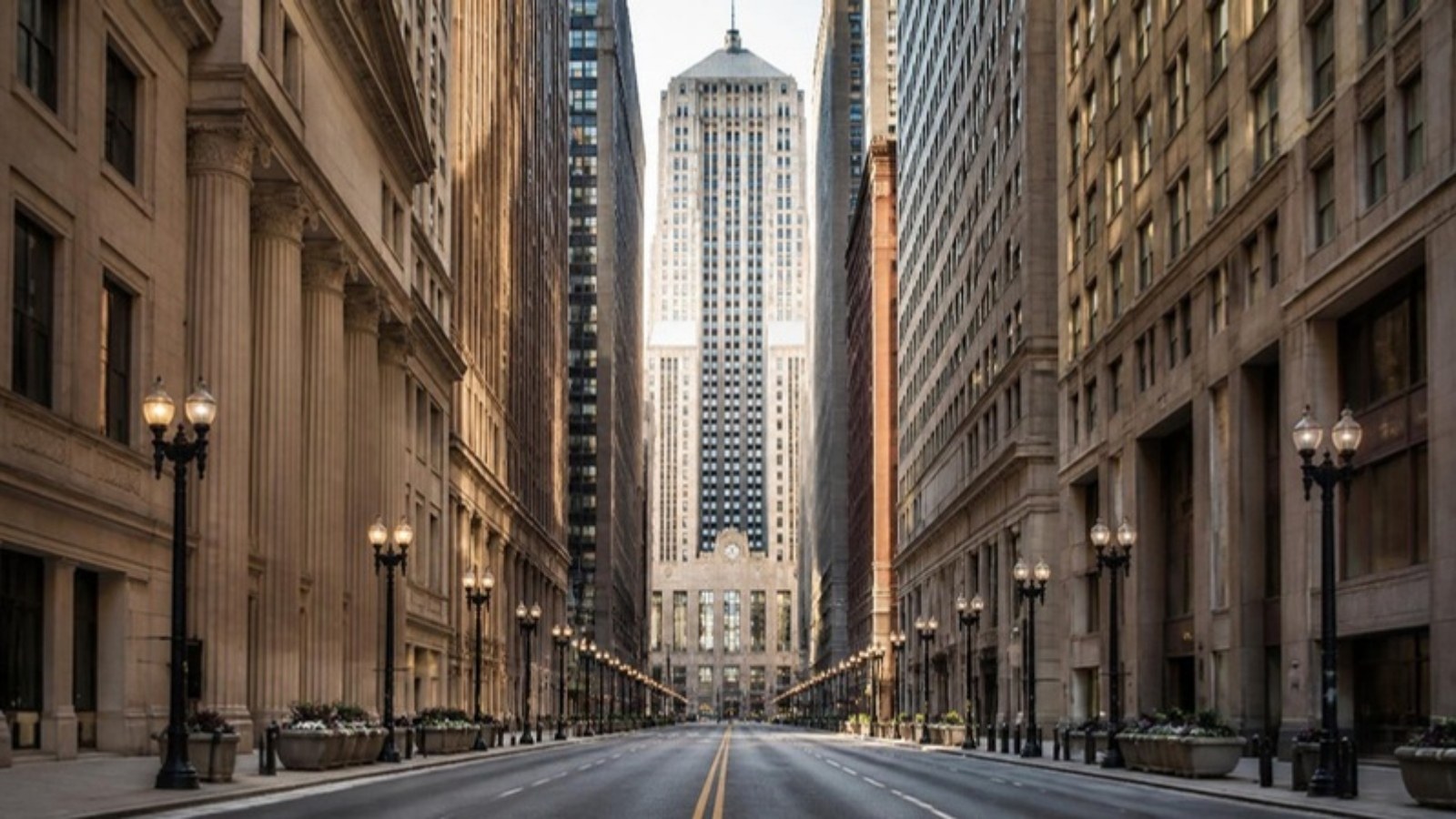
The Central Loop is the historic financial core of downtown Chicago, anchored by LaSalle Street, State Street and Wacker Drive. It is one of the softest Class A markets downtown: the best-located towers are close to full, but several large Class A and Class B buildings are a third to half empty and competing hard for tenants. Central Loop is one of seven submarkets in the Chicago CBD office market. Tenant Advisors, Inc. represents only tenants, at no cost to tenants. Call (847) 778-0296.
Key Takeaways
- Vacancy is 22.4%, down 1.5 points in a year, across about 47.5 million SF.
- Class A vacancy (28.7%) is higher than Class B (19.5%), so Class A landlords are the ones competing hardest.
- About 870,000 SF of sublease space is available.
- Nothing is under construction, and older buildings along LaSalle Street are being converted to apartments.
- Several office towers sold at deep discounts in the past year, which lowers what those owners need in rent.
Central Loop Office Market Facts and Figures
Tenant Advisors tracks office buildings in the Central Loop, from Wells Street east to State Street and from Wacker Drive south to Congress Parkway, including the LaSalle Street corridor.
| Metric | Central Loop |
|---|---|
| Total inventory | About 47.5 million SF |
| Class A share of inventory | About 33% |
| Vacancy rate | 22.4% (23.9% one year ago) |
| Availability rate | 25.4% |
| Net absorption, trailing 12 months | +38,000 SF (after about -1.2 million SF in 2025) |
| Class A asking rent | $42–$50/SF gross |
| Class B asking rent | $34–$40/SF gross |
| Free rent | About 1 month per lease year |
| Tenant improvement allowance | $6–$8/SF per lease year ($60–$80/SF on a 10-year lease); none on spec suites |
| Sublease space available | About 870,000 SF, about 1.8% of inventory |
| Under construction | None |
| Proposed | None; about 1 million SF of older office space has been removed or converted over five years |
Figures reflect Tenant Advisors’ market tracking of Central Loop office buildings, October 2026. Rents and concessions are Tenant Advisors’ tracked-transaction ranges, quoted full-service gross. Data is updated quarterly.
What Does Office Space Cost Per Month in the Central Loop?
A 5,000 SF office in the Central Loop costs about $17,500 to $20,850 a month in a Class A building and about $14,150 to $16,650 a month in Class B, before free rent. Those figures use Tenant Advisors’ tracked gross rents of $42 to $50/SF in Class A and $34 to $40/SF in Class B.
| Office size | Class A, monthly ($42–$50/SF) | Class B, monthly ($34–$40/SF) |
|---|---|---|
| 2,000 SF | $7,000–$8,350 | $5,650–$6,650 |
| 5,000 SF | $17,500–$20,850 | $14,150–$16,650 |
| 10,000 SF | $35,000–$41,650 | $28,350–$33,350 |
Monthly rent before free rent and improvement allowances. Gross rent generally includes real estate taxes and building operating expenses.
Gross rent is not always the whole bill. Ask each landlord about:
- In-suite electricity, which some buildings bill separately.
- Operating expense and tax increases over the base year, which a cap can limit.
- Parking, which is usually extra downtown.
- Build-out costs above the improvement allowance, plus cabling, furniture and moving.
Is Central Loop Office Space Filling Up or Emptying Out?
Stabilizing. The Central Loop added about 38,000 SF of occupied space over the past year after losing about 1.2 million SF in 2025, and vacancy has fallen from a 25.3% peak in early 2026 to 22.4%. Part of that improvement comes from removing space: about 610,000 SF of office inventory came out of the market in 2026 through conversions. Google’s planned move into the redeveloped Thompson Center at 100 W. Randolph Street is the biggest single demand story in the submarket.
Where Do Tenants Have the Most Leverage in the Central Loop?
| Building class | Inventory | Vacancy | Availability | Asking rent, gross |
|---|---|---|---|---|
| Class A | 15.4M SF | 28.7% | 33.3% | $42–$50 |
| Class B | 31.8M SF | 19.5% | 21.7% | $34–$40 |
| Older, smaller buildings | 0.3M SF | 6.3% | 15.2% | Below Class B |
Unlike most downtown submarkets, Central Loop Class A is emptier than Class B. At 28.7% vacant and 33.3% available, Class A towers such as 77 West Wacker, 70 W. Madison, 181 W. Madison and 425 S. Financial Place carry large blocks and are the most motivated landlords downtown. Class B buildings on LaSalle Street have tightened as some were taken off the market for conversion, but several still sit 40% to 55% vacant.
What Are the Most Active Office Buildings in the Central Loop?
| Building | Address | Size (SF) | Vacancy | 12-mo net absorption (SF) |
|---|---|---|---|---|
| 77 West Wacker | 77 W. Wacker Dr. | 960,000 | 37.6% | +317,167 |
| 120 N. LaSalle | 120 N. LaSalle St. | 489,925 | 12.5% | +23,610 |
| 70 W. Madison | 70 W. Madison St. | 1,439,574 | 37.3% | +19,996 |
| One South Dearborn | 1 S. Dearborn St. | 827,059 | 4.0% | +17,241 |
| 161 N. Clark | 161 N. Clark St. | 1,068,877 | 11.1% | -470 |
| 203 N. LaSalle | 203 N. LaSalle St. | 625,000 | 28.6% | -60,483 |
| Chicago Board of Trade | 141 W. Jackson Blvd. | 1,392,875 | 17.4% | -84,008 |
| 190 South LaSalle | 190 S. LaSalle St. | 798,782 | 21.7% | -89,291 |
| 425 S. Financial Place | 425 S. Financial Pl. | 1,041,150 | 38.1% | -126,283 |
| 181 West Madison | 181 W. Madison St. | 952,559 | 31.3% | -208,027 |
Most active Class A buildings by leasing over the past 12 months. Tenant Advisors market tracking, October 2026.
Where tenants have less leverage
One South Dearborn (4.0% vacant), 1 N. Dearborn (6.8%), 161 N. Clark (11.1%) and 120 N. LaSalle (12.5%) are close to full. Landlords there concede less.
Where tenants have the most room
77 West Wacker (37.6% vacant), 70 W. Madison (37.3%), 425 S. Financial Place (38.1%) and 181 W. Madison (31.3%) are large Class A buildings with big blocks to fill. They are competing directly with West Loop towers for the same tenants.
Active Class B buildings
| Building | Address | Size (SF) | Vacancy | 12-mo net absorption (SF) |
|---|---|---|---|---|
| 222 North LaSalle | 222 N. LaSalle St. | 1,018,838 | 5.9% | +69,403 |
| 200 N. LaSalle | 200 N. LaSalle St. | 643,323 | 19.3% | +60,380 |
| 33 N. LaSalle | 33 N. LaSalle St. | 415,309 | 28.0% | +51,912 |
| 30 N. LaSalle | 30 N. LaSalle St. | 988,000 | 46.6% | +29,680 |
| The National | 125 S. Clark St. | 507,000 | 49.9% | +12,980 |
| Ten South LaSalle | 10 S. LaSalle St. | 819,481 | 52.1% | -24,245 |
| 111 W. Jackson | 111 W. Jackson Blvd. | 567,531 | 54.5% | -49,580 |
| 175 W. Jackson | 175 W. Jackson Blvd. | 1,474,784 | 40.0% | -114,277 |
Is Anything New Being Built in the Central Loop?
No. Nothing is under construction or proposed, and the Central Loop has lost about 1 million SF of office space over the past five years as older buildings, mostly along LaSalle Street, are converted to apartments and other uses. Less supply should help vacancy keep falling, but it will not create new options for tenants who want new construction.
How Do Building Sales Affect Central Loop Lease Deals?
Central Loop office buildings have been trading at a fraction of their former values. Twelve buildings sold over the past year for about $509 million, an average of about $67/SF. 131 S. Dearborn sold for $137 million (about $89/SF) in June 2026, 161 N. Clark for $125 million (about $117/SF), 180 N. LaSalle for $56.5 million (about $66/SF), 175 W. Jackson for $41 million (about $28/SF) and 55 W. Monroe for $24 million (about $25/SF). An owner who bought at these prices can offer lower rent and larger allowances and still make money. Before negotiating, find out who owns the building and what they paid.
Which Central Loop Buildings Fit Small and Large Tenants?
Small tenants do best in buildings with suites already built out, while companies needing a full floor or more should start with the buildings carrying the largest vacant blocks. Use this as a starting list; actual suites change month to month.
| Space needed | Where to start looking | Why |
|---|---|---|
| Under 5,000 SF | 33 N. LaSalle, 200 N. LaSalle, 203 N. LaSalle | Class B towers with prebuilt suites and active leasing |
| 5,000–20,000 SF | 190 South LaSalle, 181 West Madison, The National | Partial floors in buildings with 22% to 50% vacancy |
| 20,000 SF and up | 30 N. LaSalle, Ten South LaSalle, 111 W. Jackson, 175 W. Jackson | The largest vacant blocks in the Central Loop, with 40% to 55% vacancy |
Is There Sublease Office Space in the Central Loop?
Yes. About 870,000 SF of sublease space is available, about 1.8% of the submarket’s inventory. Sublease space usually comes built out and often furnished, and it typically prices below direct space. The remaining term is the main thing to check. See our Chicago office sublease guide.
Should You Lease, Sublease or Use Coworking in the Central Loop?
Lease direct if you need space for five years or more, sublease if you want built-out space at a discount and the remaining term fits, and use coworking only for small teams that need flexibility for a year or less. About 870,000 SF of sublease space is available in the Central Loop, about 1.8% of inventory.
| Direct lease | Sublease | Coworking | |
|---|---|---|---|
| Typical term | 5 to 10 years or more | Whatever remains on the original lease | Month to month up to 1–2 years |
| Cost | Market rent, with free rent and an improvement allowance | Usually below direct rent | Priced per desk or office; usually the highest cost per SF |
| Build-out | Custom, funded largely by the landlord | As-is, often furnished | Ready to use |
| Watch out for | Committing to more space than you need | Landlord consent and the short remaining term | Rate increases at renewal and limited privacy |
How Much Free Rent and TI Can a Central Loop Tenant Get?
Free rent runs about 1 month per year of lease term, or about 10 months on a 10-year lease. Tenant improvement allowances run $6 to $8/SF per lease year, or $60 to $80/SF on a 10-year lease. Spec suites are delivered built and carry no allowance. For example, take a 10,000 SF Class A office at $46/SF gross on a 10-year lease. Rent is about $38,000 a month, so 10 months free is worth about $383,000. The improvement allowance adds $600,000 to $800,000 toward build-out. Together, that is about $983,000 to $1,183,000 in landlord-funded value on one lease.
Should You Renew or Relocate in the Central Loop?
Price both before you renew. With Central Loop vacancy at 22.4%, your landlord knows what a move would cost you, and a credible relocation search is what moves the renewal offer. Start 12 to 18 months before your lease expires, or 18 to 24 months for 25,000 SF and up. See our office lease renewal negotiation and renewal vs. relocation analysis services.
What Should Tenants Negotiate on a Central Loop Office Lease in 2026?
- Rent: target the effective rent after concessions, not the asking rate. Buildings with the most vacancy leave the most room.
- Free rent: about 1 month per year of lease term, or about 10 months on a 10-year lease.
- Tenant improvement allowance: $6 to $8/SF per lease year, or $60 to $80/SF on a 10-year lease, except in spec suites. Get build-out pricing before you negotiate this number.
- Operating expense caps: 4% to 6% annually on controllable expenses.
- Flexibility: expansion, contraction and sublease rights, negotiated upfront.
- Landlord basis: in buildings that recently sold at a discount, push harder on rent and allowances.
How Does Tenant Advisors Find and Tour Space in the Central Loop?
We build a shortlist from every building in the Central Loop that fits your size, budget and timing, tour the best options in one block, and negotiate with several landlords at once. The landlord pays our fee, so there is no cost to tenants.
- Requirements call: size, budget, move date and must-haves.
- Building survey: every option that fits, including sublease space, with rents and availability.
- Tours: your top choices scheduled back to back.
- Competing proposals: requests to three or more landlords, compared side by side on net effective cost.
- Negotiation and lease review alongside your attorney through signing and move-in.
Get Your Central Loop Office Shortlist
Tell us your size, budget and timing. We will send the Central Loop buildings that fit, with current rents and availability.
Get My Shortlist (847) 778-0296Why Do Companies Lease Office Space in the Central Loop?
The Central Loop sits between Union Station, Ogilvie and the LaSalle Street and Millennium stations, with nearly every CTA rail line running through it. It is home to the city’s financial district, government and courts, and a dense base of law, finance and professional services firms. Companies comparing locations often look at West Loop, East Loop, South Loop and River North as well. Our relocation and site selection service runs that comparison.
Frequently Asked Questions
What is the office vacancy rate in the Central Loop in 2026?
Central Loop office vacancy is 22.4% as of October 2026, compared with 23.9% a year earlier, across about 47.5 million SF. Counting space that is coming available, the availability rate is 25.4%.
How much does office space cost in the Central Loop?
Class A office space in the Central Loop asks $42–$50/SF gross, and Class B asks $34–$40/SF gross, based on Tenant Advisors’ tracked transactions. Net effective rents after free rent and improvement allowances are lower.
What does 5,000 SF of office space cost per month in the Central Loop?
About $17,500 to $20,850 a month in a Class A building and about $14,150 to $16,650 a month in Class B, based on Tenant Advisors’ tracked gross rents of $42 to $50/SF and $34 to $40/SF. Free rent lowers the effective cost.
Should I lease, sublease or use coworking in the Central Loop?
Lease direct for a term of five years or more, since landlords fund build-out and free rent. Sublease when you want built-out, often furnished space at a discount and the remaining term fits. About 870,000 SF of sublease space is available in the Central Loop, about 1.8% of inventory. Coworking suits small teams that need flexibility for a year or less but usually costs the most per square foot.
How much free rent can I get on a Central Loop office lease?
Tenants are getting about 1 month of free rent per year of lease term, or about 10 months on a 10-year lease. Buildings with the most vacancy tend to offer the most.
What tenant improvement allowance is available in the Central Loop?
Tenant improvement allowances in the Central Loop run $6 to $8/SF per lease year, or $60 to $80/SF on a 10-year lease. Spec suites are delivered built and carry no allowance. Tenants should get build-out pricing before negotiating.
Is there sublease office space in the Central Loop?
Yes. About 870,000 SF of sublease space is available, about 1.8% of the submarket’s inventory. Sublease space usually comes built out and often furnished, and it typically prices below direct space. The remaining term is the main thing to check.
Is any new office space being built in the Central Loop?
No. Nothing is under construction or proposed, and the Central Loop has lost about 1 million SF of office space over the past five years as older buildings, mostly along LaSalle Street, are converted to apartments and other uses.
What is happening with the Thompson Center?
The former Thompson Center at 100 W. Randolph Street is being redeveloped as Google’s Chicago office, about 1.2 million SF. Its planned occupancy is expected to bring new demand and investment to the surrounding Central Loop blocks.
Which Central Loop buildings have the most vacant space?
Among Class A buildings, 77 West Wacker, 70 W. Madison and 425 S. Financial Place are each more than 37% vacant. Among Class B, Ten South LaSalle, 111 W. Jackson and The National at 125 S. Clark are about half empty.
Is LaSalle Street part of the Central Loop?
Yes. The LaSalle Street financial corridor is part of the Central Loop office submarket, which runs from Wells Street east to State Street and from Wacker Drive south to Congress Parkway.
Who represents office tenants in the Central Loop?
Tenant Advisors, Inc., founded in 2004 by Tom Koelzer and Dave Ven Horst, is a tenant-only office advisory firm that represents tenants across downtown Chicago and the suburbs. The firm never represents landlords, and tenants pay nothing for the service. Contact Tom Koelzer at (847) 778-0296 or tkoelzer@tenantadvisors.com.
About the authors: Tom Koelzer (Co-Founder & Managing Partner, LinkedIn) and Dave Ven Horst (Co-Founder & Managing Broker, LinkedIn) founded Tenant Advisors, Inc. in 2004. Tom has worked in Chicago office leasing since 1986 and Dave since 1985, and the firm has negotiated more than 2,000 office leases, representing tenants only. Benchmark your Central Loop lease against the market: (847) 778-0296 | tkoelzer@tenantadvisors.com.
Other Chicago CBD Submarkets
Chicago CBD office market • West Loop office space • East Loop office space • South Loop office space • River North office space • North Michigan Avenue office space • Fulton Market office space • All Tenant Advisors markets
Looking downtown?
Tell us your size, timing and which submarkets you are considering, and we will send you a building survey of every option that fits, at no cost to tenants.
Request a Building Survey